LED Wristbands for Concerts
Tens of thousands of wrists light up on the chorus — the crowd becomes an extension of the stage.
The final layer of concert lighting design is the crowd itself. The wristbands patch into your lighting console over DMX: blackout on the drop, burst on the chorus, waves through the verse — all written into the show’s timecode.
A single transmitter covers 600-700 metres; at stadium and arena scale, 40,000+ wristbands fire on the same frame with millisecond precision. Zone control maps patterns onto the seating plan.
We work with your production team from rehearsal day: effect list, show scenario and distribution plan delivered as one package.
See the product specs · How does pricing work?
Get an Instant Quote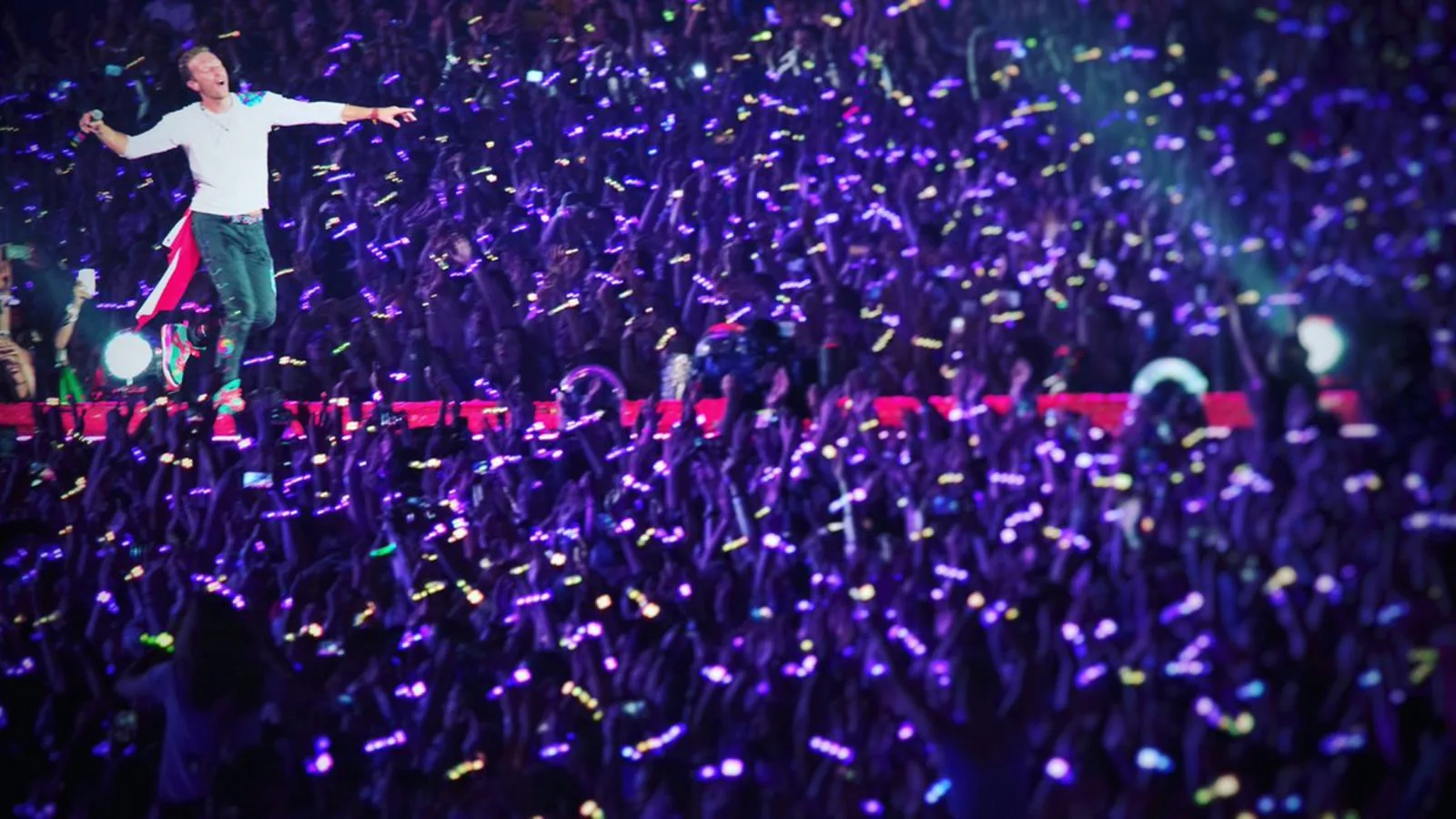
What you get
- DMX console and timecode integration
- 40,000+ wristbands in simultaneous sync
- Per-stand zone patterns and wave effects
- Production support including rehearsals
Frequently Asked
Does it integrate with our existing lighting (DMX)?
Yes. The wristbands can be programmed from a DMX console alongside your stage lighting. Your lighting operator treats them like another fixture; pre-programmed timecoded shows are also supported.
What is the coverage range? Does it work in a stadium?
A single transmitter covers an area 600–700 metres across, indoors or outdoors. At stadium scale, 40,000+ wristbands can be controlled in sync simultaneously.
Can we split the venue into zones with different colours?
Yes. Wristbands can be assigned to groups/zones: per-stand colour splits, wave effects and transitions sweeping from stage to crowd are all possible.
How does distribution work?
Wristbands are handed out at entry and can be delivered in boxes pre-sorted by seat or zone plan. If you plan to reuse them, we share a layout and checklist for setting up collection points at the exits.
How long does setup take? Do we need a crew?
Transmitter setup takes minutes, not hours, and needs no rigging. Setup and programming training is given to your team at delivery — staff who are not stage technicians can run the system.